
The Teacher and the Disciple
The Glass Bead GameThis flow compares the novel’s mentorships as forms of transmission that succeed only through trust, patience, and the willingness to learn from one another.
increasing Bearing strength in each event
 decreasing
Bearing strength in each eventdecreasingThe Music Master’s Invitation
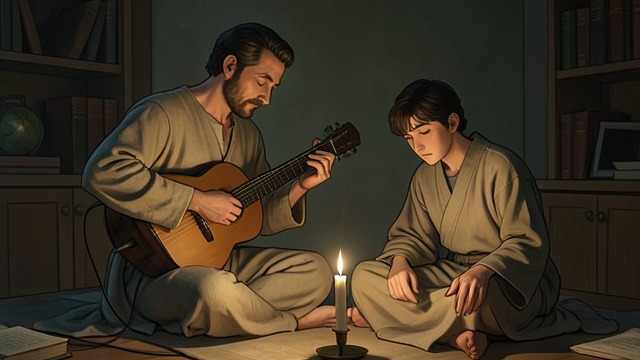
Teaching through Example
Recognition
The Music Master teaches Knecht by playing alongside him rather than ranking him through a formal examination. Their shared attention makes instruction an act of relationship.
Inheritance
Knecht receives not just musical knowledge but a model of serene authority. The first lesson establishes that a teacher transmits a way of being.
Turu’s Slow Initiation
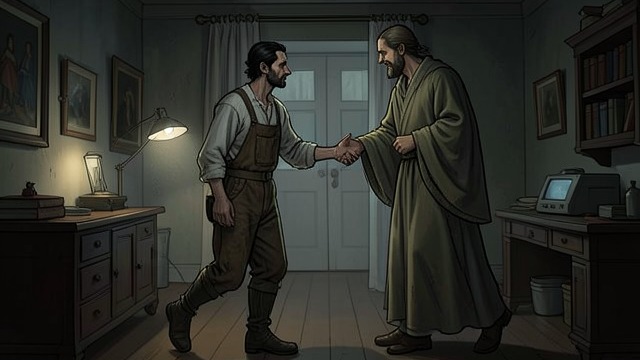
Knowledge Earned through Attention
Apprenticeship
Turu delays accepting the boy, requiring patience and persistent observation. Knecht learns by following, assisting, and imitating rather than receiving a system of abstract rules.
Continuity
The master eventually makes the pupil his successor. Teaching preserves communal knowledge but also creates obligations that may require sacrifice.
Jacobus’s Reciprocal Lessons
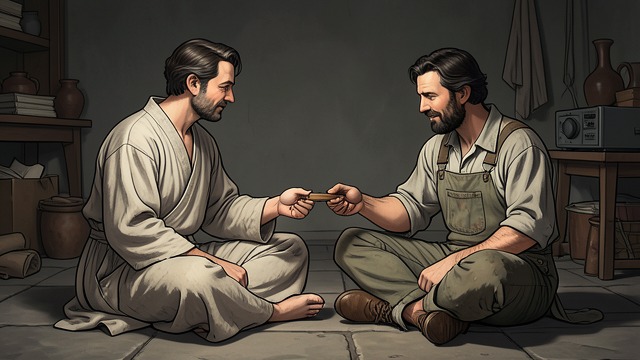
Learning Across Difference
Exchange
Knecht instructs Jacobus about Castalia while learning historical method from him. Neither remains permanently teacher or pupil.
Intellectual Respect
Their exchange shows that genuine learning depends on recognizing the limits of one’s own institution. Their friendship makes intellectual difference productive.
Knecht Teaches Plinio
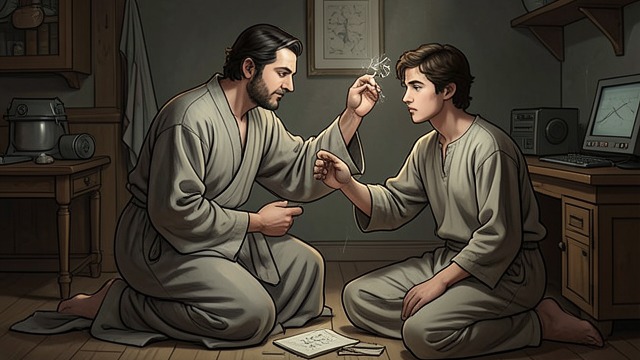
Education as Care
Restoring Practice
Knecht helps Plinio recover meditation and emotional steadiness. He does not treat instruction as a lecture but adapts it to a troubled person’s needs.
Reciprocity and Power
Knecht presents the friendship as mutual, though he is the more capable guide. The story raises ethical questions about influence exercised for another’s good.
Knecht’s Last Pupil
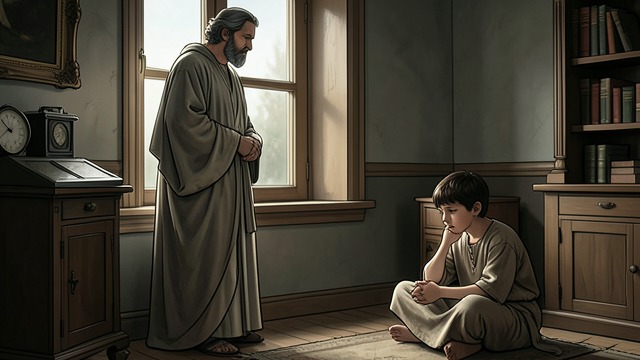
Teaching beyond the Institution
New Approach
Knecht plans to meet Tito’s resistance with patience, shared interests, and attention to the boy’s strengths. Education begins through trust rather than immediate correction.
Interrupted Transmission
Knecht dies before the teaching relationship can mature. Tito inherits the experience as a demanding example rather than a completed course.
In Knecht’s boyhood
During Knecht’s prehistoric imagined life
During Knecht’s second stay at Mariafels Abbey
During their renewed adult friendship
At Belpunt near the end of the novel
